
English
Reading
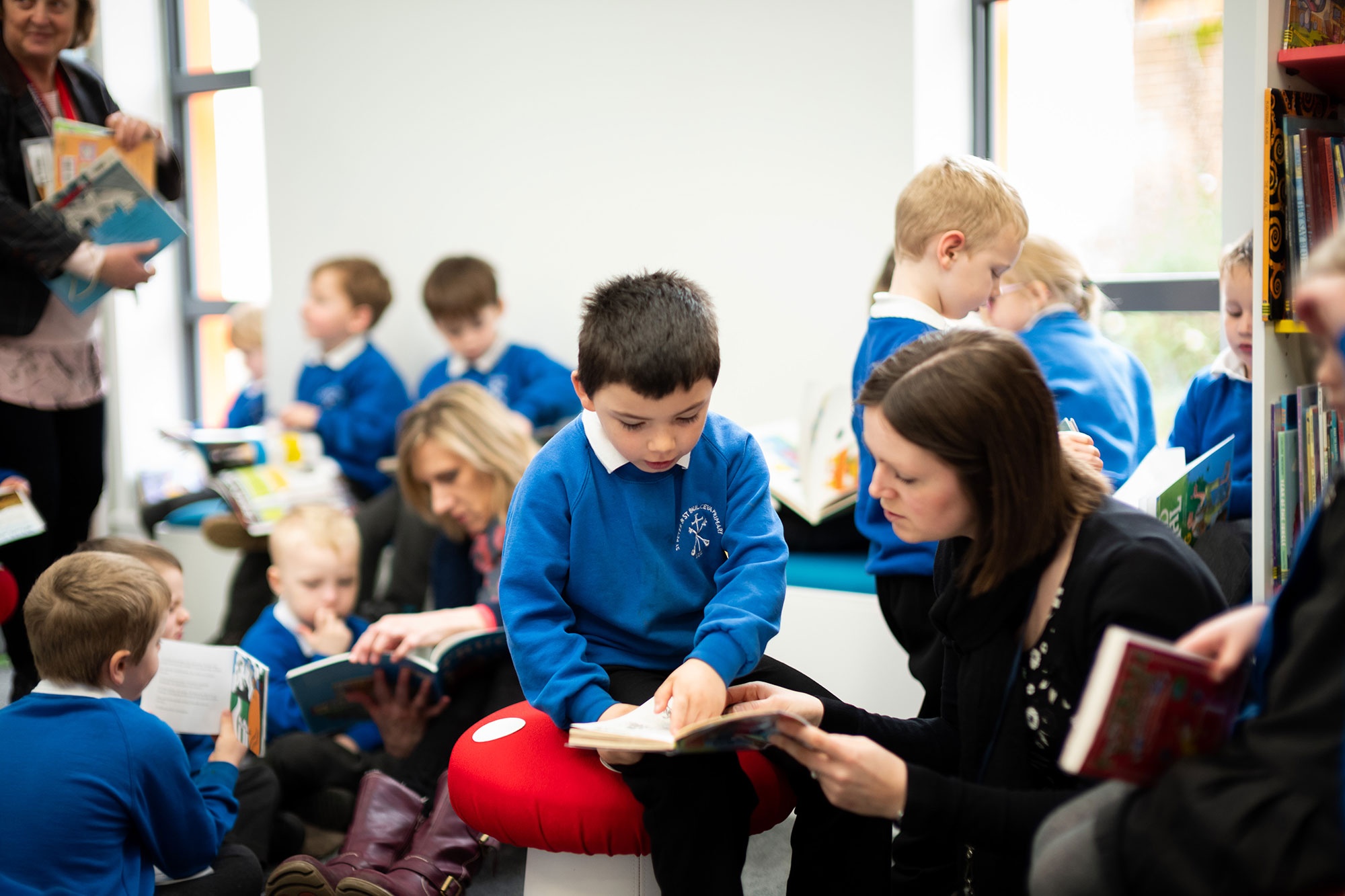
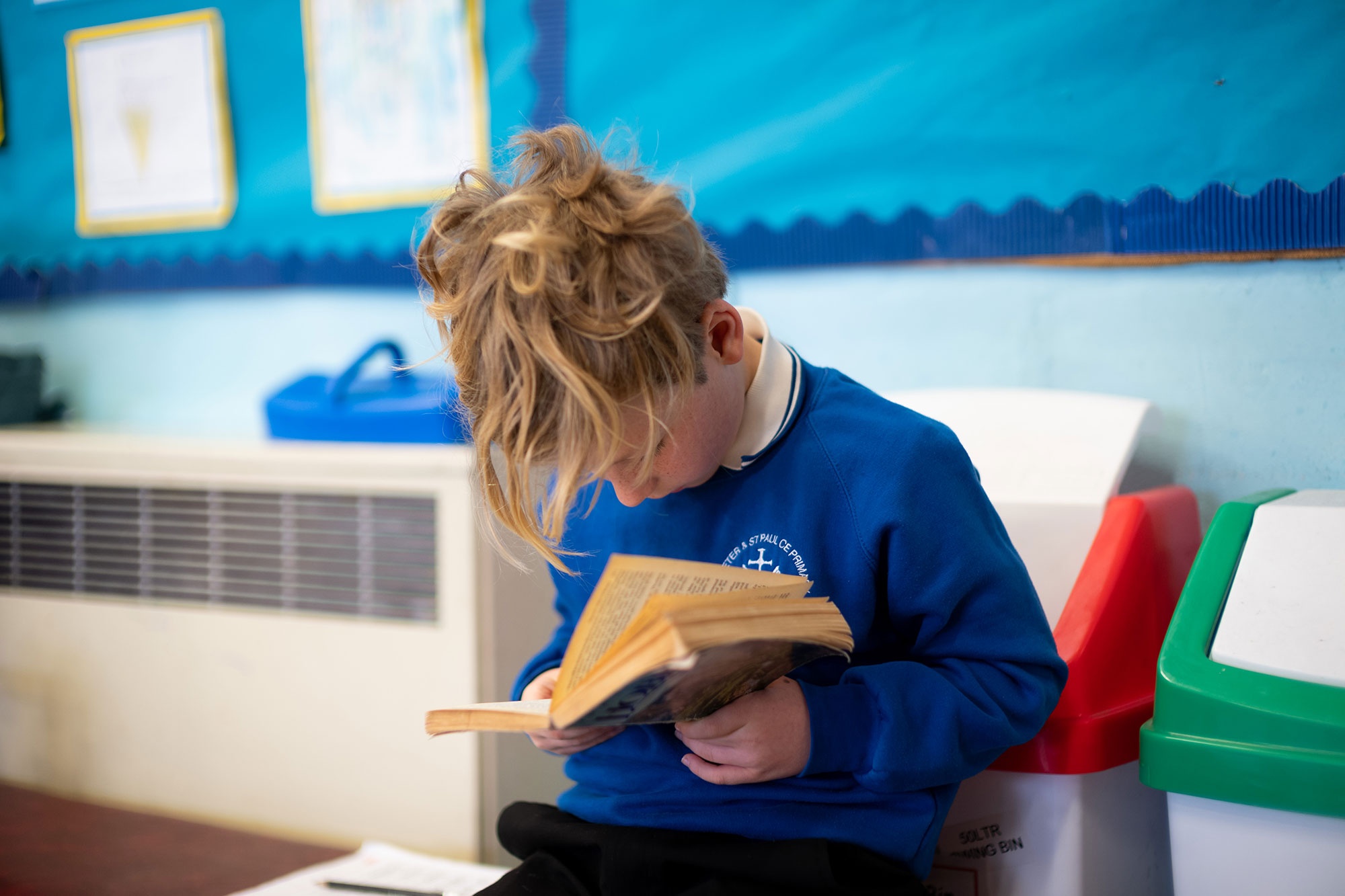
At St Peter and St Paul Primary School, reading lies at the heart of our curriculum and our vision to Nurture, Flourish and Serve. We believe that reading opens doors to learning, opportunity and lifelong success. Through an ambitious, inclusive and carefully sequenced reading curriculum, we ensure that every child develops the knowledge, skills and confidence needed to become a fluent, enthusiastic and discerning reader. Reading empowers our pupils to understand the world around them, engage with new ideas and realise their full potential.
Reading is a central feature of daily life throughout our school. Classrooms are rich in high-quality literature and teachers enthusiastically share carefully chosen texts that inspire curiosity, imagination and critical thinking. Through expert modelling, discussion and shared reading experiences, children learn what it means to be a reader. We foster a strong culture of reading for pleasure, where books are celebrated, valued and woven into everyday learning. As a result, pupils develop fluency, stamina and comprehension, enabling them to read with increasing accuracy, expression and independence.
We believe that every child has the right to access a rich literary curriculum, regardless of their starting point, background or additional needs. Reading provides the foundation for learning across all subjects, enabling children to acquire knowledge, broaden their vocabulary and deepen their understanding of the world. Through carefully planned support and high expectations for all, we ensure that every pupil is equipped to succeed and achieve highly as a reader.
Discussion is an integral part of our reading culture. Children are encouraged to think deeply about what they read, share ideas, ask questions, make connections and consider different perspectives. These meaningful conversations strengthen comprehension, develop oracy and encourage pupils to become reflective, thoughtful learners. Through literature, children encounter experiences beyond their own, fostering empathy, respect and an appreciation of the rich diversity of our society and wider world.
Every classroom provides access to a broad, diverse and carefully curated collection of books that reflects both the interests of our pupils and the world in which they live. Our collections include contemporary and classic fiction, poetry, high-quality non-fiction, picture books and graphic novels. Children encounter a wide range of authors, cultures, experiences and viewpoints, ensuring that they both see themselves represented and develop an understanding of lives beyond their own experiences. Through this exposure, we broaden horizons, challenge assumptions and raise aspirations.
We recognise the powerful role that storytelling, drama and role-play play in deepening understanding and engagement with texts. These approaches allow children to explore characters, themes and ideas in meaningful ways, bringing literature to life and strengthening comprehension. High-quality texts also act as a gateway to wider learning, enriching the curriculum and providing meaningful contexts for enquiry, discussion and knowledge development across a range of subjects.
We are committed to nurturing a vibrant community of readers. Children are provided with opportunities to engage with authors, storytellers and other reading experiences that inspire a love of literature. These encounters help pupils understand the creative process, appreciate the value of books and develop their own identities as readers and writers.
By the end of Key Stage Two, pupils leave St Peter and St Paul Primary School as confident, fluent and thoughtful readers. They have experienced a rich and diverse range of high-quality texts, developed the ability to think critically and discuss literature with maturity, and learnt how to apply their reading skills across all areas of learning. Most importantly, they leave with a genuine love of reading and an understanding of its power to inform, inspire and transform lives, enabling them to nurture their curiosity, flourish as lifelong learners and serve their communities with confidence, wisdom and compassion.
Writing
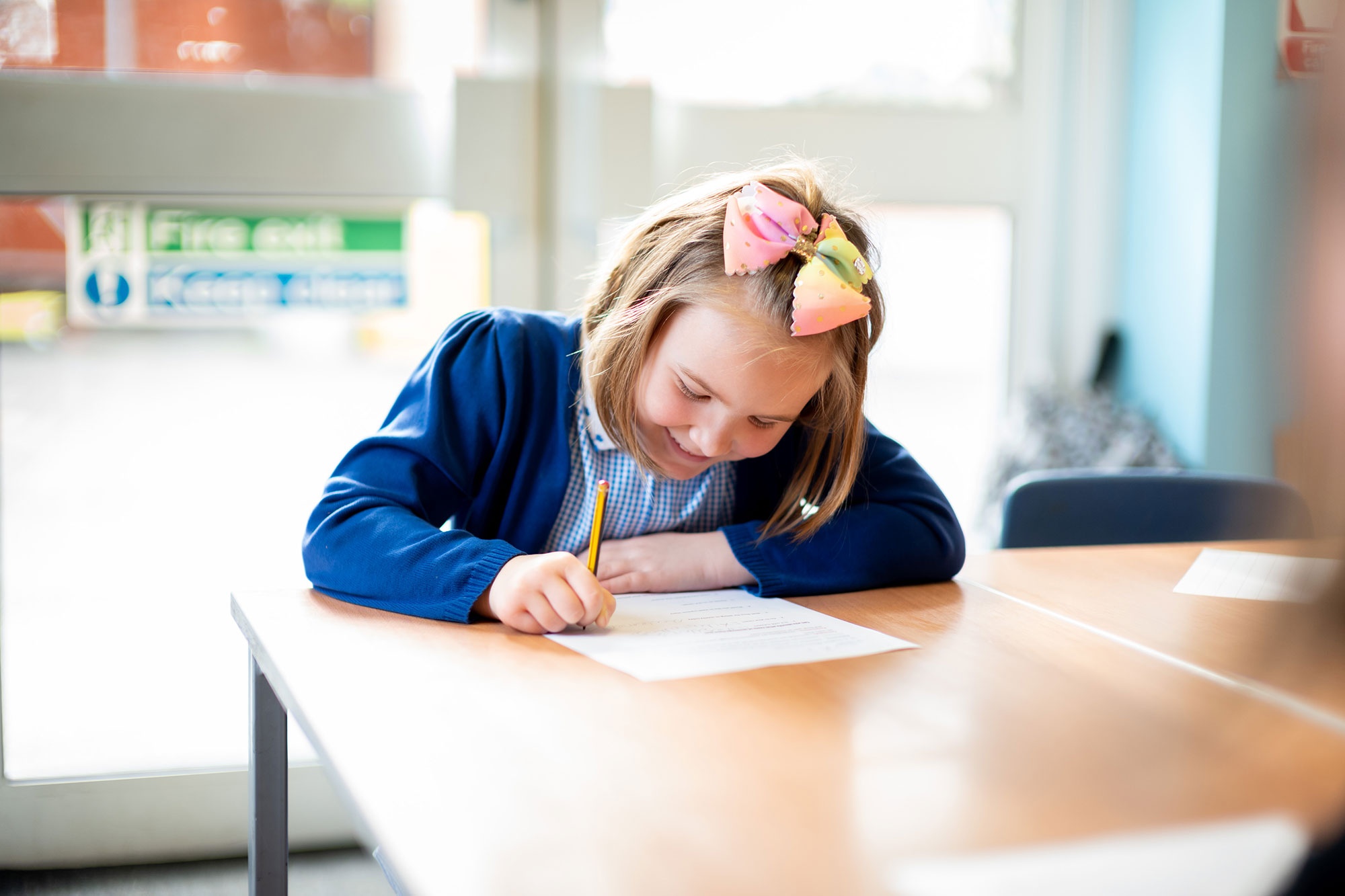
At St Peter and St Paul Primary School, writing is a powerful tool for communication, creativity and self-expression, closely aligned with our vision to Nurture, Flourish and Serve. We believe that every child has a voice that deserves to be heard, and we are committed to developing confident, articulate and purposeful writers who can communicate effectively in a wide range of contexts. Through a carefully planned and ambitious curriculum, children acquire the knowledge, skills and confidence to write with accuracy, creativity and independence, preparing them for future learning and life beyond primary school.
Writing is woven throughout every aspect of school life and is taught as both a subject in its own right and a means of expressing and deepening learning across the curriculum. Children are immersed in rich language experiences, engaging texts and meaningful real-life purposes for writing. They learn to write for a range of audiences and purposes, developing an understanding of how language can inform, entertain, persuade, explain and inspire.
A strong foundation in language is central to our approach. We place great importance on developing a rich and ambitious vocabulary, enabling children to communicate their ideas with increasing precision, clarity and sophistication. Through exposure to high-quality literature, discussion and oral rehearsal, pupils learn to select language thoughtfully and adapt their writing to suit different contexts. Speaking, listening, reading and writing are closely connected, ensuring that children develop as skilled communicators across all areas of learning.
Children are explicitly taught the essential building blocks of effective writing, including grammar, punctuation and spelling. These skills are carefully sequenced and revisited so that pupils can apply them accurately and confidently in their independent work. We ensure that children understand not only how language works, but why particular choices are effective, enabling them to become increasingly thoughtful and deliberate writers.
Handwriting is valued as an important element of effective communication. From the earliest stages of learning, children are taught to form letters correctly and develop a fluent, legible and efficient handwriting style. As they progress through school, pupils take pride in the presentation of their work, recognising that clear handwriting supports the communication of ideas and reflects care, effort and professionalism.
We encourage children to view writing as a process of thinking, creating, refining and improving. Through planning, drafting, revising, editing and proofreading, pupils learn how successful writers continually reflect upon and strengthen their work. They are supported to develop resilience, independence and the confidence to take risks, understanding that making improvements is an essential part of becoming a skilled writer. High expectations are maintained at every stage, with pupils taking increasing ownership of their progress.
Our curriculum provides opportunities for children to write across a wide variety of genres and forms. They create imaginative stories, poetry and descriptive pieces that allow creativity to flourish, while also producing a range of non-fiction texts, including reports, explanations, instructions, discussions, persuasive writing and formal letters. Writing opportunities are purposeful and often linked to wider curriculum learning, enabling children to apply their developing skills in meaningful and authentic contexts.
Recognising the demands of the modern world, we also equip pupils with the skills required for effective information gathering, organisation and communication. Children learn how to make notes, summarise information, record key ideas and present their thinking clearly and efficiently. These skills support learning across the curriculum and prepare pupils for future stages of education.
Alongside academic writing skills, we place significant importance on emotional literacy. Writing provides children with opportunities to explore their thoughts, reflect on experiences and express emotions in a safe and constructive way. Through storytelling, reflection and discussion, pupils learn to understand themselves and others, developing empathy, self-awareness and confidence in communicating their feelings and viewpoints.
Digital literacy forms an increasingly important part of our writing curriculum. Children learn how to communicate appropriately and responsibly in digital environments, adapting their writing for different platforms, audiences and purposes. They develop an understanding of how technology can support the writing process through drafting, editing, researching and publishing, while also learning about online safety, credibility and respectful communication.
We celebrate writing across the school, creating opportunities for children to share their work with peers, staff, families and the wider community. By recognising achievement and valuing each child's voice, we foster a culture where writing is enjoyed, respected and seen as a meaningful part of everyday life.
By the end of Key Stage Two, pupils leave St Peter and St Paul Primary School as confident, skilled and reflective writers. They write fluently and accurately for a range of purposes and audiences, draw upon a rich vocabulary, apply their knowledge of spelling, grammar and punctuation effectively, and take pride in producing high-quality work. Most importantly, they understand the power of writing to communicate, connect and influence others, enabling them to nurture their ideas, flourish as capable communicators and serve their communities with confidence, integrity and purpose.
Oracy
At St Peter and St Paul Primary School, oracy is a vital part of our curriculum and an essential element of our vision to Nurture, Flourish and Serve. We believe that every child deserves to be heard, valued and empowered to communicate with confidence. Through a rich and inclusive approach to spoken language, we equip our pupils with the skills, vocabulary and self-assurance they need to express themselves effectively, build positive relationships and actively participate in the world around them.
Oracy is woven through every aspect of school life. From the earliest years, children are encouraged to develop their voice, share their ideas and contribute meaningfully to discussions. We recognise that effective communication is fundamental to learning, wellbeing and future success. By providing purposeful opportunities to speak, listen, question, explain and reflect, we enable all pupils to become thoughtful communicators who can confidently articulate their thoughts, feelings and opinions.
We believe that every child, regardless of background, need or starting point, has something valuable to contribute. Our inclusive culture ensures that all learners are supported and encouraged to participate. Through carefully structured talk opportunities, children build the confidence to share their thinking, challenge ideas respectfully and engage with perspectives that may differ from their own. In doing so, they learn that their voice matters and that the voices of others deserve equal respect and consideration.
Across the curriculum, pupils regularly engage in high-quality discussion and collaborative learning. They take part in debates, presentations, performances, partner talk, group problem-solving and formal speaking opportunities. These experiences help children to organise their thoughts, justify their reasoning and communicate with clarity and purpose. Whether presenting to an audience, leading a discussion, contributing to collective worship or representing the school in the wider community, pupils learn how to adapt their language and communication style for different audiences and situations.
A rich and ambitious vocabulary sits at the heart of our oracy provision. We explicitly teach the language children need to communicate effectively, empowering them to express themselves with increasing precision, confidence and sophistication. Through reading, discussion and direct vocabulary instruction, pupils develop the words and language structures required to explain, persuade, question, negotiate and reflect. We want every child to leave our school equipped with the communication skills needed to advocate for themselves and engage successfully in all aspects of life.
Listening is valued as highly as speaking. Children are taught that effective communication begins with understanding others. Active listening, thoughtful questioning and respectful responses are explicitly taught and consistently modelled by adults throughout the school. Pupils learn how to engage fully in conversation, build upon the ideas of others and respond constructively to different viewpoints. These skills help to create a learning culture built upon mutual respect, curiosity and collaboration.
We also recognise the important role oracy plays in personal development and relationships. Children are given the tools and language needed to navigate social situations successfully, from resolving playground disagreements to participating in challenging or sensitive conversations. They learn how to communicate their feelings appropriately, listen with empathy, manage conflict respectfully and seek solutions collaboratively. By developing emotional awareness alongside communication skills, pupils become increasingly resilient, reflective and compassionate members of our school community.
Speaking out and speaking up are actively encouraged. We provide a wide range of platforms where children can express their views, contribute to decision-making and take on positions of responsibility. Whether through pupil leadership roles, class discussions, collective worship, performances, school events or community engagement, children are encouraged to use their voice positively and purposefully. These opportunities help pupils develop confidence, independence and a strong sense of belonging.
Oracy also strengthens learning across the curriculum. Through purposeful talk, pupils deepen their understanding, refine their thinking and make connections between ideas. Discussion supports critical thinking, problem-solving and reasoning, enabling children to become increasingly independent learners who can articulate and defend their viewpoints while remaining open to challenge and new perspectives.
By the end of Key Stage Two, pupils leave St Peter and St Paul Primary School as confident, respectful and articulate communicators. They can express themselves clearly, listen attentively, engage thoughtfully with others and communicate effectively in a range of contexts. Most importantly, they understand the power of voice—not only to share ideas and solve problems, but also to build relationships, inspire change and contribute positively to society. Equipped with confidence, empathy and understanding, they are ready to nurture strong relationships, flourish as effective communicators and serve their communities with wisdom, courage and compassion.
Year 6 Podcast
Year 6 practised reading aloud confidently and clearly for an audience as part of their non-fiction writing on Climate Change. They have recorded extracts of three pieces of writing (non-chronological reports, persuasive speeches and poetry) which we have edited into podcast format! Please click the private link below to have a listen...